Key Takeaways
- GPS tracking devices can monitor vehicles, smartphones, laptops, and other valuable assets in real time.
- Businesses use GPS tracking applications to improve efficiency, reduce theft, and manage operations more effectively.
- Personal users benefit from GPS by tracking family members, pets, or lost belongings with ease.
- GPS tracking has some limitations, such as signal interference, battery life, and subscription fees.
- Choosing a reliable GPS solution helps ensure accurate, secure, and easy tracking for both personal and business use.
A Guide on GPS Tracking
GPS tracking devices are used to locate and monitor different items, from vehicles and smartphones to laptops, wearable devices, and valuable assets. These tools rely on satellite signals to provide real-time data about the location of a device, making it easier to keep track of important possessions, manage business operations, and improve personal safety. Many people use GPS tracking applications daily through their phones or cars, often without realizing the full range of devices that can be tracked with this technology.
The number of devices that can be tracked continues to grow with advances in technology. Today, it is possible to track the car with GPS, check the location of a lost phone, or even follow a laptop’s movement in real time. Businesses rely on GPS to monitor fleets and equipment, while individuals use it to safeguard personal belongings. From small personal trackers to complicated asset management systems, GPS tracking applications offer accurate and reliable solutions for keeping track of trackable assets in any setting.
The Growing Importance of GPS Tracking
GPS tracking is important in improving safety, security, and efficiency in both personal and professional settings. People use GPS tracking devices to stay connected with loved ones, protect valuables, and manage transportation or business operations more effectively. For families, GPS helps track children during school commutes or monitor elderly parents who may need extra care. Pet owners use GPS collars to prevent lost pets, while individuals rely on mobile apps to locate phones, keys, or bags.

Businesses benefit from GPS tracking applications by monitoring fleets, ensuring delivery accuracy, and reducing the risk of lost or stolen equipment. In industries like construction, logistics, and security, tracking trackable assets such as tools and machinery prevents losses and increases accountability. With GPS, decisions can be made faster and with more confidence, making it one of the most reliable tools available today for real-time visibility and asset protection.
Types of Devices That Can Be Tracked with GPS
GPS tracking devices are now built into or added to different tools, electronics, and personal items. From cars and phones to high-value equipment and small belongings, GPS makes it possible to monitor movement, protect assets, and stay connected. As GPS tracking technology continues to improve, more types of devices can be tracked quickly and accurately through easy-to-use GPS tracking applications.
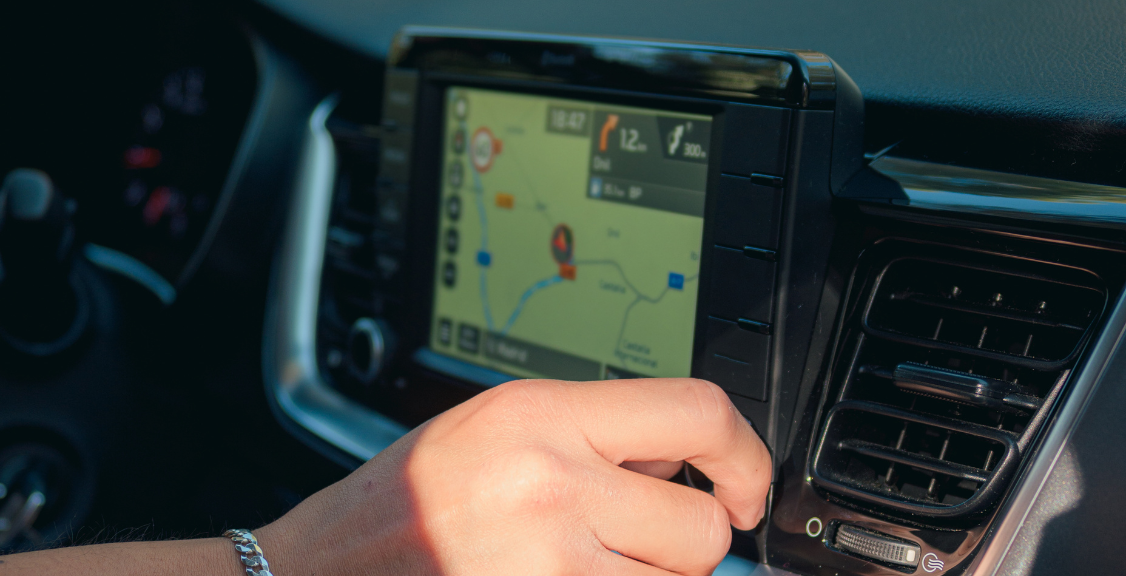
Common Devices That Can Be Tracked Using GPS:
- Vehicles – Cars, trucks, motorcycles, RVs, boats, and commercial fleets are among the most commonly tracked. GPS enables real-time location updates and theft recovery.
- Smartphones and Tablets – Nearly all modern smartphones include GPS. Devices can be located through apps for family safety, lost device recovery, or employee tracking.
- Laptops and Computers – While not all laptops have built-in GPS chips, many use Wi-Fi-based location tracking or external GPS dongles to assist in recovery when stolen or lost.
- Wearable Devices – Smartwatches, fitness trackers, pet collars, and medical alert bands use GPS to keep track of loved ones or monitor health-related activity.
- Valuable Assets and Equipment – Construction tools, heavy machinery, trailers, and agricultural equipment can be equipped with asset trackers to reduce loss or misuse.
- Personal Belongings – Items like backpacks, wallets, luggage, and even keys can be tracked using compact GPS tags or Bluetooth trackers connected to GPS-enabled apps.
GPS tracking allows for flexible monitoring in different scenarios, from everyday convenience to essential business operations. The growing list of devices that can be tracked reflects how important combined GPS has become in modern life. If it is locating a parked car, checking on a delivery van, recovering a lost laptop, or monitoring high-value equipment in multiple locations, GPS tracking devices and GPS tracking applications offer reliable, real-time data.
Benefits of Using GPS Tracking
The use of GPS tracking devices brings a host of benefits if you are tracking personal belongings, vehicles, or valuable business assets. From improving safety and security to enhancing operational efficiency, GPS has become an essential tool in modern life. With GPS tracking applications becoming increasingly advanced, users can experience real-time updates, increased accountability, and smarter decision-making.

Essential Benefits of GPS Tracking:
- Enhanced Security – GPS tracking allows you to monitor your devices, vehicles, and valuables. In the event of theft or loss, GPS data helps recover assets quickly and minimizes damage.
- Improved Safety – For parents, caregivers, or fleet managers, GPS provides real-time visibility of people or vehicles, ensuring their safety and reducing the risks of emergencies.
- Cost Efficiency – Businesses save time and money by optimizing routes, reducing fuel consumption, and preventing loss or misuse of equipment. GPS also helps cut down on insurance costs due to the added layer of protection.
- Real-Time Monitoring – If you are checking the location of a trackable asset or making sure a loved one is safe, GPS offers instant updates to keep you informed 24/7.
- Increased Accountability – For businesses, GPS helps track employee performance, monitor delivery times, and ensure that assets are being used properly. This transparency leads to improved productivity and trust.
- Peace of Mind – With the ability to track your car with GPS, track your phone with GPS, or monitor family members or employees, GPS provides reassurance that you can always find what matters most.
The versatility and reliability of GPS tracking devices make them ideal for different personal and business applications. If it is tracking trackable assets like vehicles and equipment, ensuring the safety of loved ones, or optimizing operations in a business, GPS technology offers important advantages.
Limitations and Considerations
While GPS tracking devices offer numerous benefits, it’s important to recognize their limitations and consider potential challenges. While GPS has become a go-to solution for tracking trackable assets and people, no technology is without its drawbacks. Issues such as signal interference, privacy concerns, and device battery life can impact the effectiveness of GPS tracking.

Essential Limitations and Considerations:
- Signal Interference – GPS tracking relies on satellite signals, which can be disrupted by physical obstructions such as tall buildings, dense forests, or underground locations. This can lead to incorrect or delayed location data.
- Battery Life – Some GPS tracking devices may have limited battery life, especially smaller, portable trackers. Depending on the usage, frequent charging or battery replacement may be required.
- Privacy and Security Concerns – GPS tracking raises valid concerns around privacy, especially in personal or workplace settings. It is important to ensure that tracking is used ethically and with consent to avoid potential violations of privacy laws.
- Accuracy Issues – While GPS is generally reliable, it may not always provide pinpoint accuracy. Some tracking devices rely on other methods, like Wi-Fi or cellular signals, which can result in less precise location data in certain environments.
- Cost – High-quality GPS tracking applications and devices often come at a price. Businesses or individuals looking for advanced features or enterprise-level solutions may face higher costs for hardware, software, and data plans.
- Subscription or App Fees – Some GPS tracking applications charge a subscription or ongoing fees for continuous service. These costs can add up, especially for businesses that need to track multiple devices or users.
Despite these limitations, GPS tracking remains one of the most effective solutions for monitoring trackable assets, improving security, and increasing operational efficiency. By understanding the limitations and addressing these concerns, users can maximize the benefits of GPS while reducing any potential challenges.
Understanding GPS Tracking for Devices and Vehicles
GPS tracking has become an essential tool for monitoring different devices, from vehicles and smartphones to valuable assets and personal belongings. The ability to track these devices offers numerous benefits, including improved security, real-time location updates, and better management of both personal and business operations. With GPS tracking devices and GPS tracking applications becoming more advanced and accessible, tracking has never been easier. If it is a car, a portion of equipment, or a smartphone, the flexibility of GPS allows for smooth monitoring in a variety of situations. As technology continues to develop, even more trackable assets will become available, making GPS tracking even more useful and reliable in everyday life.

The applications of GPS tracking are diverse, benefiting individuals and businesses alike. For personal use, GPS makes it easier to find lost devices, track family members, or ensure the safety of pets. Businesses use GPS tracking to monitor vehicles, equipment, and inventory, improving operational efficiency and reducing losses. While there are limitations to GPS tracking, such as signal interference and subscription fees, the advantages far outweigh the drawbacks. Overall, GPS tracking remains one of the most reliable and effective solutions for keeping track of trackable assets and ensuring peace of mind for users in different sectors.
Choose the Right GPS Tracking Solution for Your Needs
Geosavi provides reliable and efficient GPS tracking devices and GPS tracking applications designed to help you track different trackable assets. Our solutions are simple to use, affordable, and highly effective in real-time monitoring of vehicles, valuable equipment, and personal belongings. We understand the importance of security, efficiency, and peace of mind, which is why our GPS tracking services are customized to meet both personal and business needs. With our easy-to-use tools and expert support, you can ensure the safety of your devices, improve operations, and reduce the risk of loss. Choose Geosavi for a trusted, high-quality GPS tracking experience that delivers results you can count on.
Contact us today to learn more and begin with the best GPS tracking solutions for your needs.