Key Takeaways
- GPS tracking gives businesses timely location and activity data for vehicles, equipment, and field operations.
- The most useful benefits include better dispatching, more efficient routes, stronger asset security, safer driving, and more reliable customer updates.
- Active systems report current locations, while passive systems store trip data for later review.
- The right platform should fit the assets being tracked, integrate with existing workflows, and provide useful reports without creating unnecessary complexity.
- Clear policies, limited access, and responsible data retention help businesses use location data appropriately.
Why Businesses Use GPS Tracking
The benefits of GPS tracking extend well beyond seeing a vehicle on a map. Businesses use location data to coordinate drivers and field teams, improve routes, protect equipment, document service activity, and respond more quickly when plans change. The result is better operational visibility: managers can make decisions using current information instead of relying only on phone calls, paper records, or end-of-day reports.
GPS tracking is especially useful for transportation, construction, delivery, utilities, home services, and other operations with vehicles or mobile assets. When it is connected to a broader GPS tracking and fleet management platform, location data can support dispatching, maintenance planning, geofencing, driver coaching, and customer service.
What Is GPS Tracking and How Does It Work?
The Global Positioning System is a U.S.-operated positioning, navigation, and timing service. Satellites broadcast one-way signals that a compatible receiver uses to calculate its position. The satellites themselves do not track vehicles or people. A business tracking device combines its calculated position with a communications connection, such as a cellular network, to send location and activity data to tracking software. The official GPS.gov overview explains the satellite, control, and user segments of the system.

Business tracking solutions generally use one of two reporting models:
- Active tracking: The device sends location and event data at regular intervals so authorized users can view current activity, receive alerts, and adjust operations during the workday.
- Passive tracking: The device stores trip data for later download or review. This can support historical analysis, but it does not provide the same immediate visibility.
Update frequency, signal coverage, device placement, power, and software settings all affect what a system can report. Businesses should confirm those details when comparing GPS tracking components and requirements.
Main Benefits of GPS Tracking for Businesses
More Efficient Dispatching and Routing
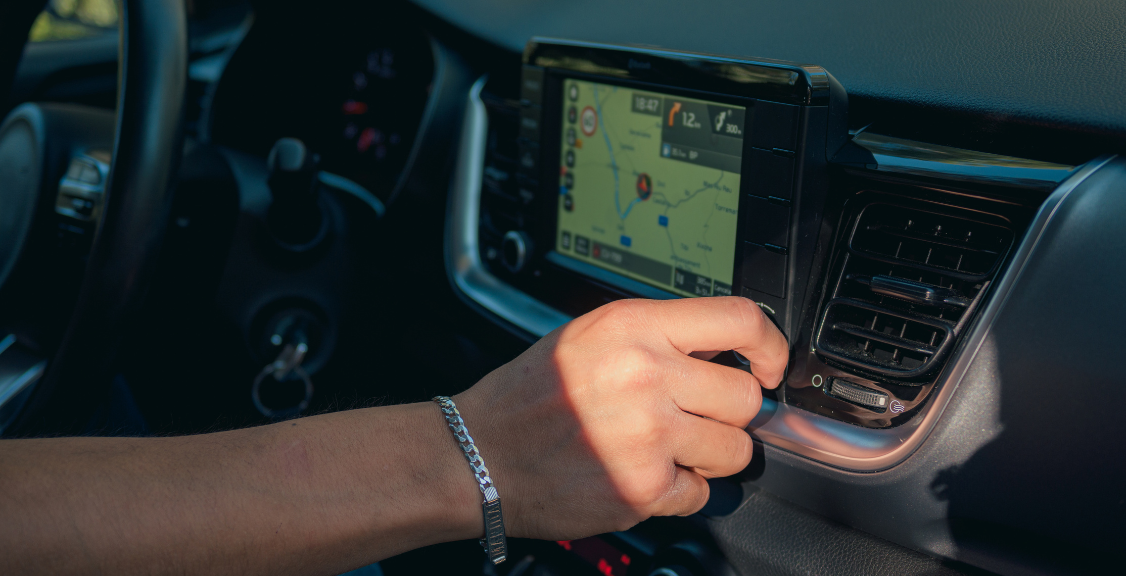
Current vehicle locations help dispatchers assign work based on proximity, availability, and service priorities. They can respond to delays, redirect a nearby driver, and give customers more realistic arrival windows. Historical trip data also helps managers identify recurring detours, excessive dwell time, and routes that need review.
Lower Fuel and Operating Costs
GPS data can reveal unnecessary mileage, long idle periods, repeated trips, and inefficient routing. Those insights help a business focus on the operating habits it can improve. Tracking platforms may also combine mileage, engine hours, and alerts with maintenance workflows, helping teams schedule service based on actual use rather than guesswork.
Better Driver Safety
Depending on the hardware and configuration, a platform may report speeding, harsh braking, rapid acceleration, or other driving events. Managers can use trends from that data to support consistent coaching and reinforce company safety policies. Location information can also help a business respond more quickly when a driver reports a breakdown or emergency.
Stronger Asset Security
Geofences and movement alerts can notify authorized staff when a vehicle or piece of equipment leaves a designated area or moves outside expected hours. GPS tracking cannot prevent every theft, but timely location information can support a faster response and provide useful details to law enforcement or an insurer.
More Reliable Customer Service
Accurate dispatch information helps service and delivery teams provide realistic arrival estimates and explain delays. Businesses can also use historical location records to confirm when a vehicle reached or left a job site, reducing uncertainty when customers ask about a visit or delivery.
Common GPS Tracking Applications

- Fleet management: Transportation and delivery companies monitor vehicle locations, trip progress, route performance, idle time, and driving events. Learn more about GPS tracking in logistics.
- Construction and heavy equipment: Teams track mobile equipment across yards and job sites, review utilization, and receive movement or geofence alerts.
- Field service: Dispatchers coordinate technicians, identify the closest available worker, and document arrival and departure times.
- Asset tracking: Portable trackers help businesses maintain visibility into trailers, generators, tools, and other high-value mobile assets.
- Public and utility operations: Location data can support snow removal, waste collection, inspections, maintenance, and other route-based services.
The right use case starts with a specific operational question. A company trying to reduce unauthorized equipment movement needs different devices, alerts, and reports than a delivery business focused on dispatch efficiency.
How to Choose a GPS Tracking System
Before comparing vendors, identify what the business needs to track and which decisions the data should improve. Then evaluate the following factors:
- Device fit: Confirm whether the hardware is designed for vehicles, powered equipment, trailers, or portable assets and whether it can tolerate the working environment.
- Reporting frequency and coverage: Ask how often the device reports, which network it uses, what happens when coverage is unavailable, and how stored data is transmitted later.
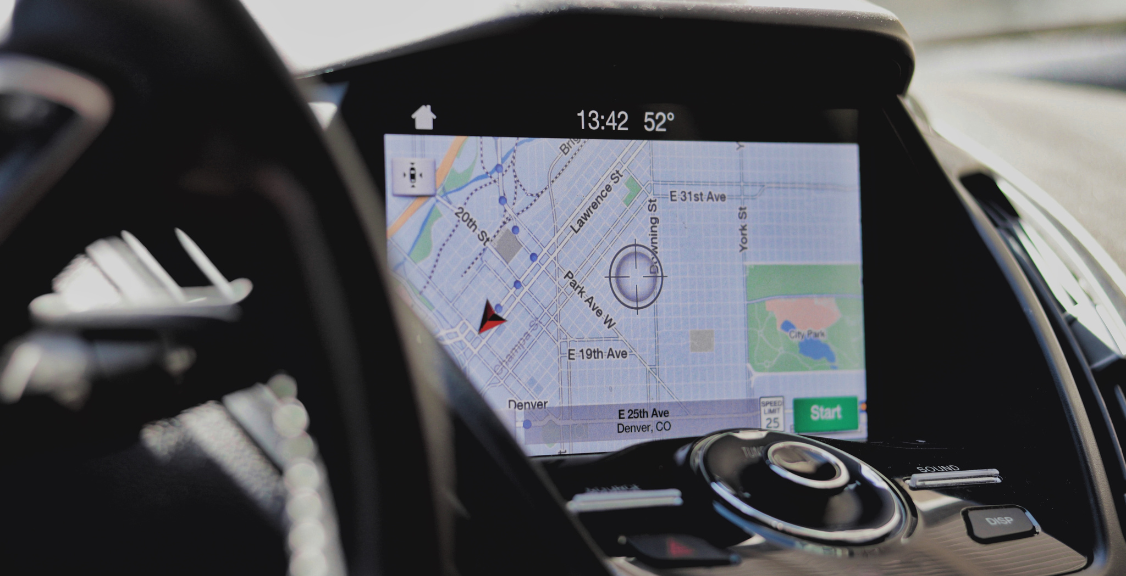
- Useful features: Prioritize tools the team will actually use, such as live maps, geofences, driver-event alerts, maintenance reminders, route history, and scheduled reports.
- Ease of use: Dispatchers and managers should be able to find vehicles, understand alerts, and build reports without unnecessary steps.
- Integration and scalability: Check whether the system connects with dispatch, maintenance, payroll, or other business software and whether devices can be added as operations grow.
- Total cost: Compare hardware, installation, subscriptions, connectivity, support, contract terms, and replacement costs. Evaluate value against measurable operational goals rather than features alone.
- Support and data practices: Review onboarding, technical support, user permissions, security controls, retention options, and data export capabilities.
A short pilot can help a business test coverage, reporting quality, alerts, and team adoption before committing to a wider rollout. A practical overview of GPS tracking basics can also help stakeholders compare options using the same terminology.
Privacy and Responsible Use
Location data can be sensitive, particularly when it relates to employees or vehicles that may be used outside working hours. Businesses should define a legitimate purpose for tracking, tell affected workers what is collected and why, restrict access to people who need the information, and retain data only as long as it serves a business or legal requirement.
Policies should address permitted use, after-hours tracking, personal use of company vehicles, alert handling, and employee questions. Because workplace privacy and notice requirements can vary by jurisdiction and circumstance, businesses should obtain appropriate legal guidance before deploying employee location tracking.
Turn Location Data Into Better Operations

The strongest benefits of GPS tracking come from using reliable data to improve a defined workflow. Better dispatching, more efficient routes, safer driving, stronger asset visibility, and clearer customer updates can all contribute to a more controlled operation. Success depends on selecting suitable hardware, configuring useful alerts and reports, training the team, and reviewing results against clear goals.
Explore GPS Tracking Solutions from Geosavi
Geosavi helps businesses evaluate GPS tracking options for vehicles, mobile assets, and field operations. Our team can help match devices and platform features to the visibility, reporting, and operational needs of your business.
Contact Geosavi to discuss a GPS tracking solution for your fleet or mobile assets.