Key Takeaways
- The five pillars of successful fleet management are compliance, driver management, vehicle maintenance, cost control, and safety culture.
- Each pillar needs an owner, a documented process, current records, and a small set of measurable indicators.
- Federal requirements vary by operation. Hours of Service, ELD, driver qualification, inspection, and maintenance rules should be mapped to the fleet’s vehicles and drivers rather than applied through a generic checklist.
- FMCSA’s Safety Measurement System is an intervention-prioritization tool, not a federal safety rating or an automatic insurance-pricing formula.
- Strong fleet management connects the pillars: dispatch decisions affect HOS, maintenance affects roadside results, and safety practices affect cost and utilization.
Introduction
Successful fleet management is not one dashboard, policy, or device. It is a system for keeping qualified drivers, safe vehicles, accurate records, sustainable costs, and practical safety expectations aligned.
The five-pillar framework gives small and growing fleets a way to organize that work. Compliance defines the minimum legal controls. Driver management puts qualified people in realistic operating plans. Maintenance protects vehicle condition and availability. Cost control turns activity into financial decisions. Safety culture makes those practices consistent when schedules become difficult.
Pillar 1: Compliance
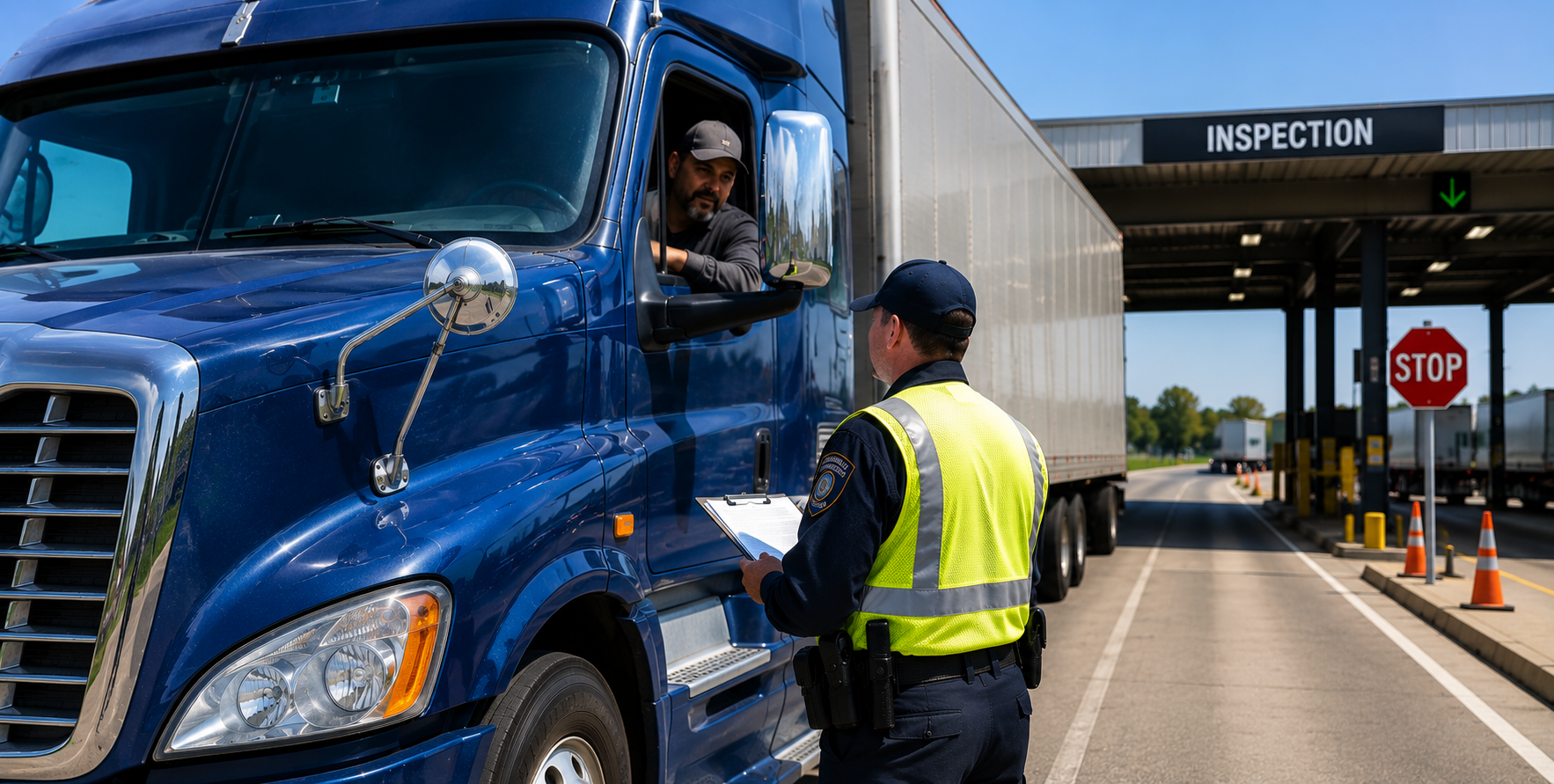
Compliance comes first because it defines what the fleet must do, document, and produce. Depending on the operation, the compliance program may cover driver qualification, Hours of Service, ELD use, inspections, maintenance, drug and alcohol testing, operating authority, insurance, hazardous materials, and other requirements.
Start with an applicability map. List each vehicle type, operating jurisdiction, driver type, freight or passenger activity, and exception used. Assign the controlling rule, required record, owner, retention period, and review frequency. That prevents a rule for one operation from being applied incorrectly to another.
What HOS rules apply to property-carrying drivers?
For drivers subject to 49 CFR § 395.3, core limits include 11 hours of driving after 10 consecutive hours off duty, a 14-hour driving window, the applicable 30-minute break requirement, and the 60/70-hour limits. Exceptions and other operating categories may change what applies.
An ELD records HOS data; it does not authorize a trip or decide whether an exception is valid. Dispatchers should review available hours and realistic trip constraints before assigning work.
How should a fleet manage ELD compliance?
Use a device that appears on the FMCSA registered ELD list, verify the exact model and software version, train drivers on roadside transfer and malfunction procedures, resolve unidentified driving, and monitor removal notices. Registration is based on provider self-certification and can change.
If FMCSA removes a device, follow the deadline in the specific notice. Do not assume every removal has the same transition period or rely on an old count of revoked models.
How should SMS be interpreted?
FMCSA’s Safety Measurement System uses inspection, crash, and investigation data to prioritize carriers for interventions. Under the current methodology, the general-carrier intervention threshold for HOS Compliance is at or above the 65th percentile; passenger and hazardous-materials carriers have lower thresholds. A higher percentile indicates worse relative performance.
Thresholds and methodology can change, and a percentile is not a federal safety rating. Review the current methodology and the carrier’s logged-in SMS data instead of treating one public number as a complete assessment.
Pillar 2: Driver Management

Driver management begins before dispatch. It includes qualification, onboarding, license and medical-status monitoring, job expectations, training, communication, performance review, and fair corrective action.
What belongs in a driver qualification file?
49 CFR § 391.51 identifies required DQ-file records, including the employment application, licensing-authority motor vehicle records, the road-test certificate or accepted equivalent, annual MVR and review records, and applicable medical or variance documentation.
For CDL holders, medical-certification status is generally documented through the CDLIS motor vehicle record when that record contains the required information. Do not use one static checklist without accounting for CDL status, medical variances, non-CDL drivers, and current National Registry procedures.
The complete DQ file is generally retained while the driver is employed and for three years afterward. Certain annually generated and medical records may be removed three years after execution. Map each document to its specific rule instead of applying one retention period to every item.
How do dispatch decisions affect drivers?
Dispatch should consider available driving time, the 14-hour window, loading and unloading delays, traffic, weather, parking, vehicle readiness, and the driver’s recent workload. A plan can fit the mathematical HOS clock and still be operationally unrealistic.
Drivers need a clear escalation path when a load cannot be completed legally or safely. Keep dispatch messages and changes professional and documented. Carrier personnel should not pressure a driver to accept an inaccurate log edit or violate the rules.
What should a driver scorecard measure?
Use measures the driver can understand and influence: inspections, preventable incidents, HOS exceptions, unidentified driving, timely certifications, documented defects, training completion, fuel-efficiency trends within comparable work, and service reliability. Review context before assigning fault, and use the scorecard for coaching rather than as an automatic verdict.
Pillar 3: Vehicle Maintenance
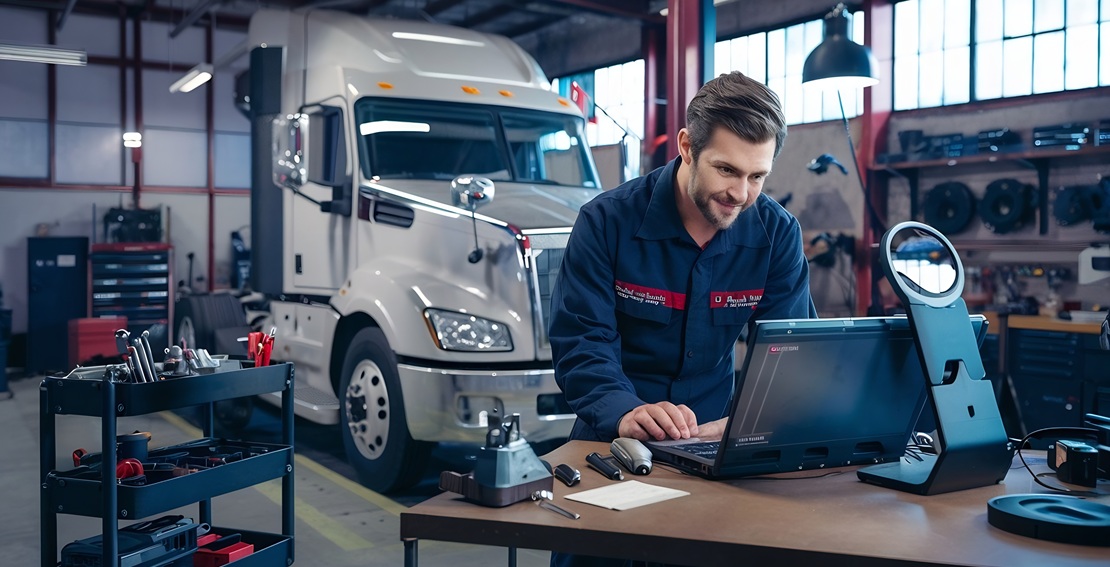
49 CFR § 396.3 requires motor carriers to systematically inspect, repair, and maintain vehicles under their control. The rule does not create one universal 3,000- or 5,000-mile maintenance interval for every commercial vehicle.
Build intervals from manufacturer guidance, warranty terms, vehicle age, mileage, engine hours, duty cycle, environment, inspection results, oil analysis when used, and repair history. Review whether the interval prevents failures without creating unnecessary downtime.
What maintenance records are required?
For covered vehicles controlled for 30 consecutive days, required records identify the vehicle, show the nature and due date of inspection and maintenance work, and document the date and nature of inspections, repairs, and maintenance. Section 396.3 generally requires those records where the vehicle is housed or maintained for one year and for six months after it leaves the carrier’s control.
Useful operational measures include scheduled-maintenance completion, repeat repairs, roadside events, downtime hours, tire cost, repair cost per practical mile, and defects by system. These measures supplement the required records; they do not replace them.
When is a property-carrier DVIR required?
Under current § 396.11, a property-carrying driver generally prepares a written post-trip DVIR when a defect or deficiency is discovered by or reported to the driver. The rule does not require a no-defect report for every property-carrier shift.
When a report lists a safety-related defect, the carrier must repair it or certify that repair is unnecessary before the vehicle operates again. Required DVIRs and repair certifications are generally retained for three months. Passenger operations, driveaway-towaway operations, one-vehicle carriers, and intermodal equipment have provisions that should be reviewed separately.
Pillar 4: Cost Control

Cost control means understanding what the fleet spends and what operating decision produced the expense. It does not mean reducing maintenance, training, insurance, or compliance work below a safe and lawful level.
The ATRI 2026 operating-cost report calculated a 2025 industry average of $2.336 per mile, including $1.854 per mile in nonfuel costs. Those are comparison benchmarks, not a substitute for the fleet’s own accounting.
What should a fleet measure?
- cost per practical mile by vehicle and operating group;
- fuel cost, MPG, idle percentage, and out-of-route miles;
- maintenance cost, downtime, tires, towing, and substitute equipment;
- driver wages, benefits, recruiting, vacancy time, and training;
- insurance, deductibles, claims, permits, tolls, and equipment payments;
- ELD, software, communications, administrative labor, and recordkeeping; and
- revenue and utilization lost during preventable disruption.
Use consistent accounting periods and label benchmark years. A fleetwide average can hide an expensive unit, route, customer, or equipment type.
Does SMS determine insurance cost?
No federal formula converts an SMS percentile into an insurance premium. An insurer may evaluate safety, claims, drivers, equipment, operating radius, cargo, coverage, and other information under its own underwriting process. Treat SMS as a safety-management and enforcement-prioritization signal, not a guaranteed price adjustment.
What should a compliance budget include?
Budget for device and software costs, installation, training, qualification and maintenance records, log review, audits, replacement equipment, testing programs when applicable, and staff time. Use current vendor quotes and internal labor data rather than a universal per-truck estimate.
Pillar 5: Safety Culture

Safety culture is the pattern of decisions made when production and safety compete. A written policy matters, but managers reveal the real standard through dispatch plans, defect response, log-edit practices, coaching, and whether drivers can raise a concern without retaliation.
What does a practical safety culture include?
- leaders who follow the same rules they enforce;
- clear stop-work and escalation procedures;
- realistic schedules and protected maintenance windows;
- consistent investigation of incidents and near misses;
- coaching based on verified facts rather than isolated alerts;
- prompt correction of defects and inaccurate records; and
- monthly review of inspections, crashes, claims, HOS, maintenance, and training trends.
What is the difference between coercion and ELD harassment?
49 CFR § 390.6 addresses coercion by covered parties to make a driver violate specified safety, commercial, or hazardous-materials rules, or retaliation for refusing. Section 390.36 separately addresses a motor carrier’s use of ELD information or related technology to harass a driver in connection with specified underlying HOS conduct.
FMCSA guidance generally requires a written coercion or harassment complaint within 90 days. The Surface Transportation Assistance Act provides a separate Department of Labor process for qualifying retaliation claims. Drivers should preserve messages, dispatch records, ELD data, and other evidence.
How should roadside results be used?
Analyze inspection data by violation, driver, vehicle, location, and root cause. Correct inaccurate federal data through DataQs when evidence supports a review. A repaired condition is not automatically proof that the original finding was wrong.
The Five Fleet Management Pillars at a Glance
| Pillar | Core question | Useful measures |
|---|---|---|
| Compliance | Which rules and records apply to this operation? | Inspection findings, HOS exceptions, ELD registration, record completeness |
| Driver management | Are qualified drivers supported by realistic processes? | DQ-file status, retention, training, certifications, inspections |
| Maintenance | Are vehicles systematically kept safe and available? | PM completion, repeat repairs, defects, downtime, cost per mile |
| Cost control | Which operating decisions drive cost and margin? | Cost per practical mile, utilization, fuel, labor, maintenance, claims |
| Safety culture | What happens when safety and production conflict? | Escalations, corrective actions, near misses, coaching, recurring trends |
Questions to Ask Before Changing Fleet Operations
- Which federal and state rules apply to each vehicle and driver group?
- Is every installed ELD model currently registered with FMCSA?
- Are DQ-file records complete, current, and retained under the correct schedule?
- Do dispatchers review available hours and realistic trip constraints before assignment?
- Which vehicles have rising repeat-repair cost or downtime?
- Are required defect DVIRs completed, repaired, certified, and retained?
- What is the actual cost per practical mile by unit?
- Does the carrier review SMS and inspection data monthly and use DataQs when appropriate?
- Can drivers report safety concerns without being pressured or penalized unlawfully?
- Who owns each corrective action, and when will completion be verified?
Frequently Asked Questions
Which fleet management pillar should a new carrier address first?
Start with legal authority, insurance, qualified drivers, HOS and ELD applicability, safe vehicles, required records, and a realistic operating budget. The five pillars should then be managed together.
How often should a carrier check the FMCSA ELD list?
Check at purchase, installation, software or hardware changes, and periodically thereafter. Subscribe to FMCSA notices so a removal does not depend on an occasional manual search.
Can a short-haul driver avoid using an ELD?
A driver who meets every condition of an applicable short-haul time-record exception does not need RODS or an ELD for that qualifying day. When the conditions are not met, RODS and ELD requirements must be evaluated.
How long are driver qualification files retained?
The file is generally retained during employment and for three years afterward. Section 391.51 allows certain annual-review and medical records to be removed three years after execution.
Must every property-carrying driver complete a no-defect DVIR daily?
No. Current § 396.11 generally does not require a written report when no defect or deficiency was discovered or reported. Different rules can apply to passenger and other operations.
What maintenance interval does FMCSA require?
FMCSA requires systematic inspection, repair, and maintenance but does not set one universal oil-change or preventive-maintenance mileage interval for every vehicle. The carrier must establish a defensible program suited to its equipment and work.
Does crossing the HOS SMS threshold create an automatic safety rating?
No. A percentile at or above the applicable threshold may prioritize a carrier for intervention. It is not itself a Satisfactory, Conditional, or Unsatisfactory safety rating.
Can a fleet manager be responsible for HOS problems?
Responsibility depends on the facts and applicable enforcement action. Carrier processes, dispatch instructions, proposed edits, supervision, and knowledge can all be relevant. Specific legal exposure should be reviewed with qualified counsel.
What should a fleet review every month?
Review inspections, SMS data, crashes, claims, HOS exceptions, unidentified driving, DQ-file status, maintenance due dates, defects, downtime, cost per mile, driver concerns, and open corrective actions.
How can Geosavi support fleet workflows?
Review the Geosavi ELD platform, price calculator, and support resources. Verify the exact device, features, vehicle compatibility, transfer method, service terms, and record exports for the fleet’s needs.
Conclusion
The five pillars of successful fleet management work because they connect legal requirements to daily operating decisions. Compliance identifies the rule, driver management supports the person, maintenance protects the vehicle, cost control measures the business effect, and safety culture keeps the system intact under pressure.
Assign ownership, use current primary sources, measure a small set of meaningful indicators, and verify corrective actions. That creates a fleet-management program that is useful between inspections, not only when an audit or roadside event occurs.