Key takeaways
- A driver who is required to use an ELD but does not have one installed and in use may be cited for failing to have the proper record of duty status and placed out of service.
- FMCSA roadside guidance specifies a 10-hour out-of-service period for a property-carrying driver and 8 hours for a passenger-carrying driver in this situation.
- There is no single nationwide dollar amount for every ELD violation. The result depends on the exact violation, the inspection findings, the enforcement authority, and whether the conduct involves missing records, false records, tampering, or an unresolved malfunction.
- ELDs on FMCSA’s list are registered and self-certified by their manufacturers. FMCSA does not approve or endorse individual devices.
- A malfunction is not handled the same way as operating without a required ELD. Drivers and carriers must follow the notification, reconstruction, paper-log, repair, and extension procedures in 49 CFR 395.34.
If a driver is required to use an electronic logging device but is operating without one, the immediate consequence can be more than a ticket. According to FMCSA’s roadside-inspection guidance, the driver may be cited for failing to have the proper record of duty status (RODS) and placed out of service for 10 hours if operating a property-carrying vehicle or 8 hours if operating a passenger-carrying vehicle.
That does not mean every ELD issue produces the same outcome. A missing required device, a failure to transfer records, incomplete form-and-manner information, an unresolved malfunction, false logs, and ELD tampering are different violations. State citations, federal civil penalties, out-of-service consequences, and Safety Measurement System effects depend on what the inspector or investigator finds.
Who Is Required to Use an ELD?
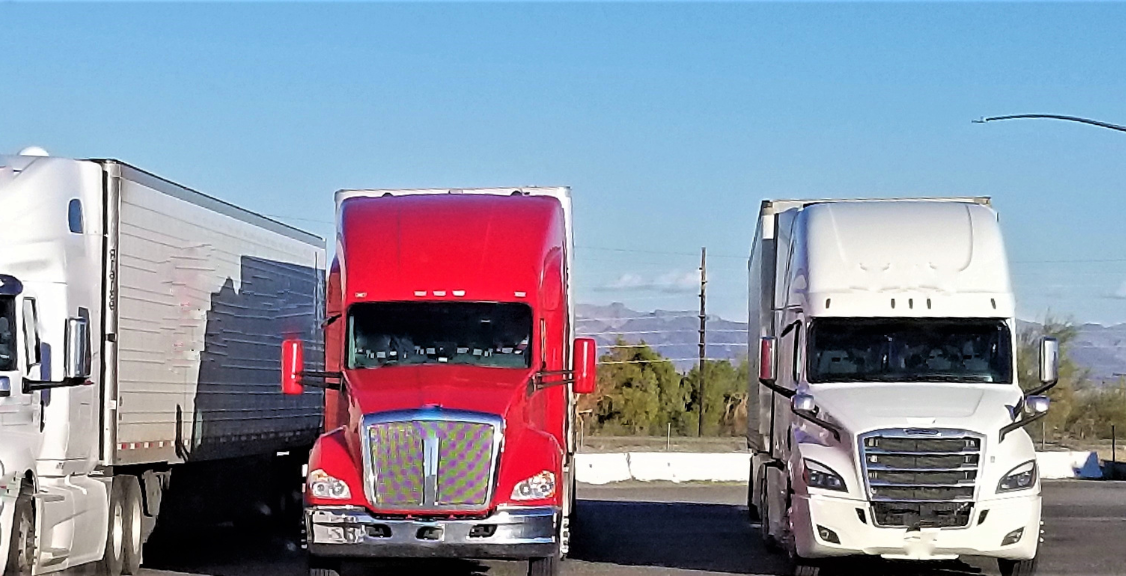
The federal ELD rule generally applies to motor carriers and drivers who are required to maintain RODS under 49 CFR 395.8. It covers most affected interstate truck and bus operations, including applicable Canada- and Mexico-domiciled drivers operating in the United States.
Common exceptions include:
- Drivers who qualify for a short-haul exception and use the required carrier time records instead of RODS.
- Drivers who use paper RODS on no more than 8 days during any rolling 30-day period.
- Certain driveaway-towaway operations in which the vehicle driven is part of the shipment, or the shipment is a motorhome or recreational-vehicle trailer.
- Qualifying vehicles or engines predating model year 2000 under the applicable regulation and current FMCSA guidance.
An exception from using an ELD does not necessarily exempt a driver from the underlying Hours of Service limits. Before relying on an exception, verify every condition for that driver, vehicle, trip, and duty day. Geosavi’s guides to Hours of Service rules and federal versus state ELD requirements provide additional context.
What Happens When a Required Driver Has No ELD?

FMCSA’s published guidance describes the roadside sequence when a required ELD is not installed and in use:
- The inspector may cite the driver for failing to have the proper RODS.
- The driver may be placed out of service for 10 hours for property carriage or 8 hours for passenger carriage.
- After the out-of-service period, the driver may complete the current trip to its final destination using paper logs.
- If inspected again before reaching that destination, the driver should be able to show the inspection report and evidence that the vehicle is continuing the same trip.
- After reaching the final destination, dispatching the driver again without a compliant ELD can trigger the out-of-service process again. FMCSA guidance also addresses an empty return to the principal place of business or home terminal when noted on the inspection report.
The inspection violation can also become part of the carrier’s Hours-of-Service Compliance BASIC data in FMCSA’s Safety Measurement System. SMS does not assign a simple company-wide “CSA score.” It uses time- and severity-weighted inspection violations to calculate BASIC measures and, when sufficient data exist, percentile ranks used to prioritize carriers for interventions. A violation on an inspection report can be used in SMS even when a state officer does not issue a separate ticket.
ELD Violations Do Not All Carry the Same Consequence
Examples of recordkeeping and ELD violations include:
- Failing to use the required method for RODS.
- Failing to produce or transfer the current 24-hour period and previous 7 days of records when requested by an authorized safety official.
- Using a portable ELD that is not mounted in a fixed position and visible to the driver while seated normally.
- Failing to review and certify records, address unassigned driving time, or enter required information.
- Missing the user’s manual, data-transfer instructions, malfunction instructions, or the required supply of blank logs in the vehicle.
- Failing to follow the malfunction process or continuing on paper beyond the permitted period without an extension.
- Making a false RODS or tampering with an ELD so it does not accurately record or retain required data.
Some violations are documented without placing the driver out of service; others can support an out-of-service determination under the current North American Standard Out-of-Service Criteria. False records and tampering receive especially serious treatment. The Commercial Vehicle Safety Alliance updates its criteria annually, so fleets should not rely on an old violation chart.
Dollar penalties also change and can depend on the legal authority used, the responsible party, the violation history, and other facts. The safest answer is not a fixed dollar estimate: consult the current FMCSA civil-penalty information and the law of the jurisdiction handling the citation. Avoid assuming that an inspection violation automatically means license suspension or criminal charges.
Registered Does Not Mean FMCSA-Approved

Motor carriers must select a device from FMCSA’s list of registered ELDs. Manufacturers self-certify that their devices meet the technical requirements and register each model with FMCSA. The agency expressly states that it does not endorse any ELD.
Check the exact device name, model number, software version, ELD identifier, and registration status. A provider’s brand name alone is not enough. FMCSA can move a device to the revoked list when the device does not meet minimum requirements, so carriers should monitor the list and respond promptly to any agency notice or provider instruction.
A compliant portable device may be used when it meets all ELD technical requirements, appears on the registered list, synchronizes as required, and is mounted in a fixed position visible to the driver during operation. See the guide to using an ELD on a phone or tablet for the practical requirements.
What to Do When an ELD Malfunctions
A genuine malfunction does not automatically mean the driver was operating without a required ELD, but the response must follow 49 CFR 395.34.
The driver must:
- Note the malfunction and provide written or electronic notice to the motor carrier within 24 hours.
- Reconstruct RODS for the current 24-hour period and the previous 7 consecutive days on compliant graph-grid logs unless those records are already available or can be retrieved from the ELD.
- Continue preparing paper RODS when the malfunction prevents accurate HOS recording until the ELD is restored to compliance.
The motor carrier must correct, repair, replace, or service the ELD within 8 days after discovering the malfunction or receiving the driver’s notice, whichever occurs first. If more time is needed, the carrier may request an extension from the appropriate FMCSA Division Administrator. The request must be submitted within 5 days of the driver’s notice and include the information required by the regulation. Until an extension is granted, continuing paper logs beyond the allowed period creates additional out-of-service risk.
What Drivers Need for a Roadside Inspection

Under 49 CFR 395.22 and 395.24, the driver must be able to display and transfer required ELD records using the method supported by the device and described in the carrier-provided instruction sheet. When requested, the driver should follow the device instructions and provide the output file or backup display or printout available for that ELD.
The vehicle should contain:
- The ELD user’s manual.
- An instruction sheet describing supported data-transfer methods and the steps for producing and transferring records to an authorized safety official.
- An instruction sheet describing malfunction reporting and recordkeeping procedures.
- Enough blank graph-grid logs to record the driver’s duty status for at least 8 days.
Drivers should also know how to annotate records, claim or reject unassigned driving events, certify logs, and locate required records without sharing a private driver-portal password. The prior article’s suggestion that a driver may simply refuse a roadside inspection was removed because it is not a reliable or appropriate compliance instruction.
How ELD Violations Affect a Carrier
Inspection violations can affect the carrier beyond the immediate delay:
- Applicable violations can enter the HOS Compliance BASIC and contribute to the carrier’s SMS measure and percentile.
- Repeated or serious patterns may increase the likelihood of FMCSA intervention or a compliance investigation.
- Out-of-service time can disrupt appointments, driver utilization, and customer commitments.
- False records or tampering can turn a preventable documentation issue into a more serious enforcement matter.
- Poor records can make it harder to demonstrate that drivers and dispatchers are following HOS requirements.
These are compliance and operational risks, not guaranteed insurance, contract, or licensing outcomes. Each outside party makes its own decisions based on its policies and the facts.
ELD Compliance Checklist

- Confirm which drivers must use ELDs and document the basis for every exception.
- Verify each device model and software version on FMCSA’s registered, self-certified list and monitor the revoked list.
- Install and configure the device correctly, including a fixed visible mount for portable ELDs.
- Keep the manual, transfer instructions, malfunction instructions, and blank logs in the vehicle.
- Train drivers to log in, select the correct duty status, add annotations, review edits, manage unassigned driving, certify records, and transfer data.
- Audit logs for missing locations, unidentified driving, incorrect personal-conveyance or yard-move use, form-and-manner errors, and HOS violations.
- Document malfunctions immediately and track the 24-hour driver-notification and 8-day carrier-repair deadlines.
- Retain RODS and supporting documents for 6 months and maintain required backups.
- Use DataQs when inspection data are incomplete or incorrect, supported by clear documentation.
Prevent the Violation Before Dispatch
The best way to avoid an ELD penalty is to resolve device, account, and record issues before the vehicle leaves. A pre-dispatch check should confirm that the driver can log in, the correct vehicle is assigned, required data are being recorded, records are certified, and the device can display and transfer logs.
Geosavi provides registered ELD and fleet-management tools designed to help carriers manage HOS records, inspections, alerts, and reporting. Review Geosavi’s electronic logging device solution or contact the team to discuss your fleet’s compliance workflow.